


The Power of Convening:
A Core Principle of The Allstate Foundation’s
Trust-Based Philanthropy Strategy
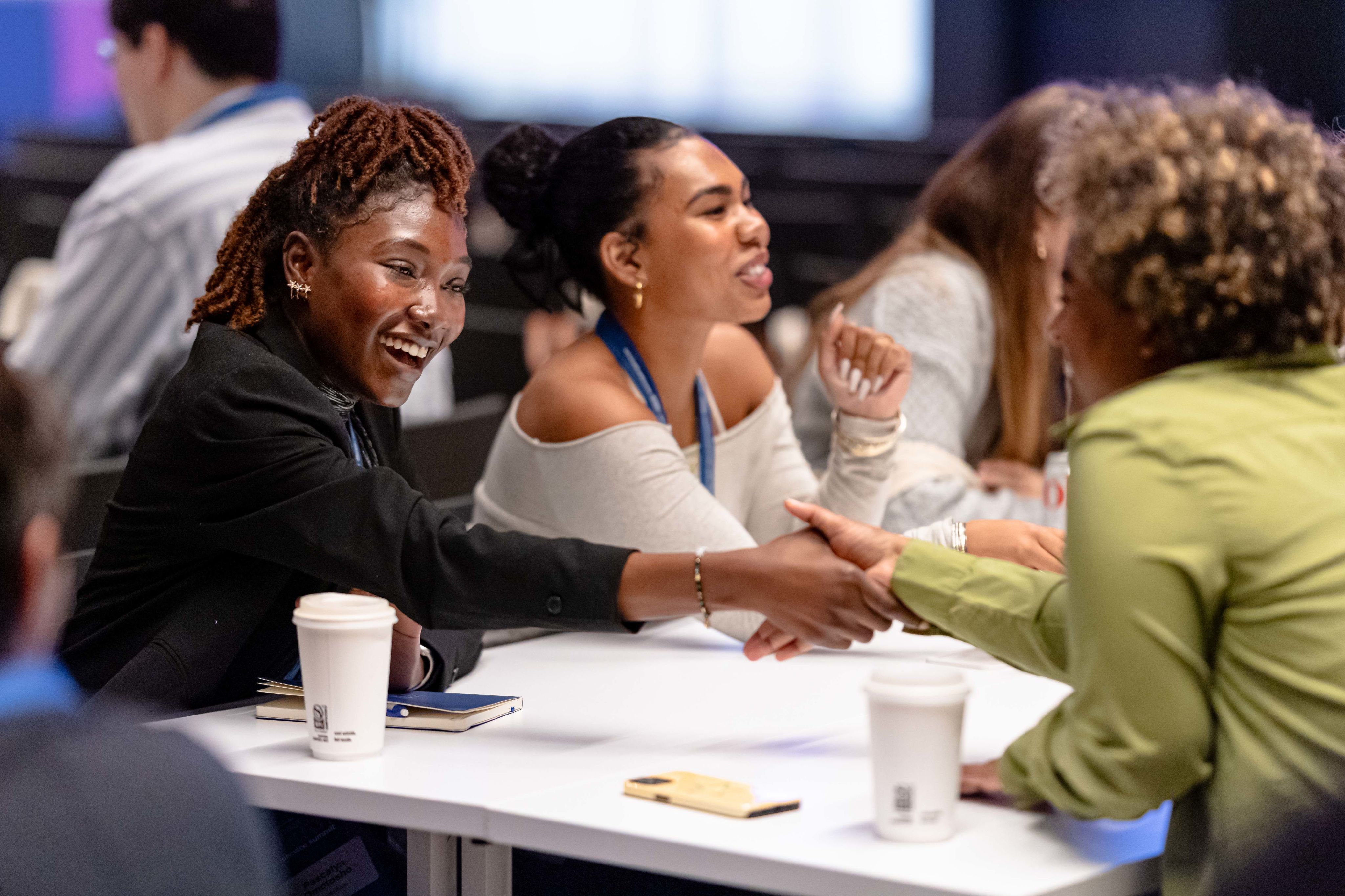

As part of its authentic commitment to its partners, The Allstate Foundation is moving beyond traditional funding models to embrace trust-based philanthropy. This approach intentionally flips the typical dynamic where foundations dictate terms and grantees comply, positioning the Foundation instead as a collaborator and long-term partner. At the heart of this trust-based approach is the practice of convening, where the Foundation brings together key stakeholders who bring unique and critical perspectives to the table. Unlike conventional meetings, the Foundation’s convenings are carefully designed gatherings that empower participants to influence decision making by speaking honestly about challenges, listening carefully to each other, workshopping solutions together, and building lasting relationships that strengthen their work.
“Listening is a core tenet of our trust-based philanthropy model, and hearing the collective ideas and themes coming from across the field helps us stay current on the challenges and opportunities within the field and where we can best fill gaps,” said Kate Nack, vice president of The Allstate Foundation and Social Impact.
Building off this central belief, each convening is deliberately designed around the needs of the people in the room. Regardless of the format or program area, the Foundation’s convenings keep the values of care, reciprocity, and deep listening constant. Although they may serve different communities, they all share the same core purpose: creating spaces where authentic connection leads to meaningful change.
Creating Space For Young People to Lead
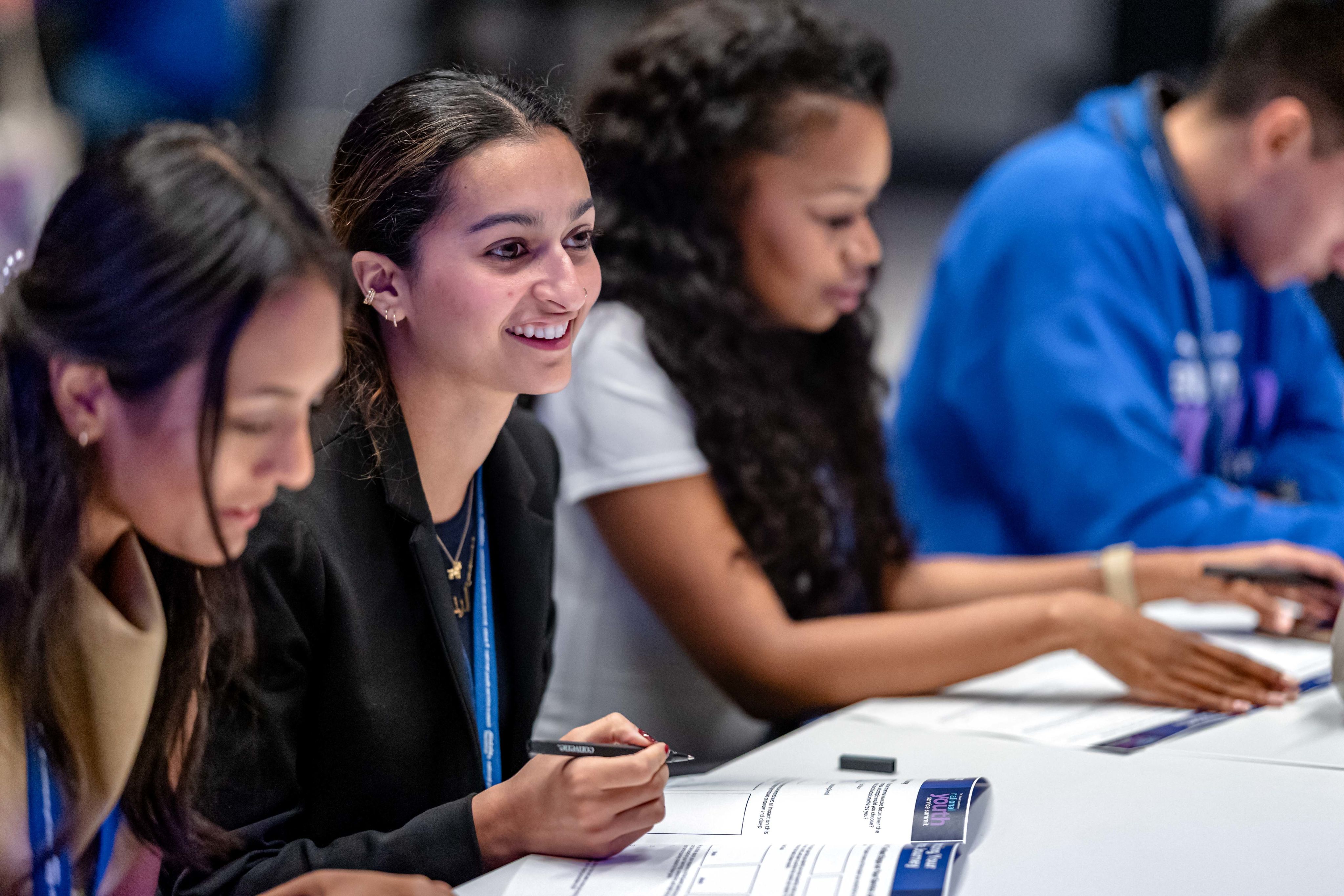
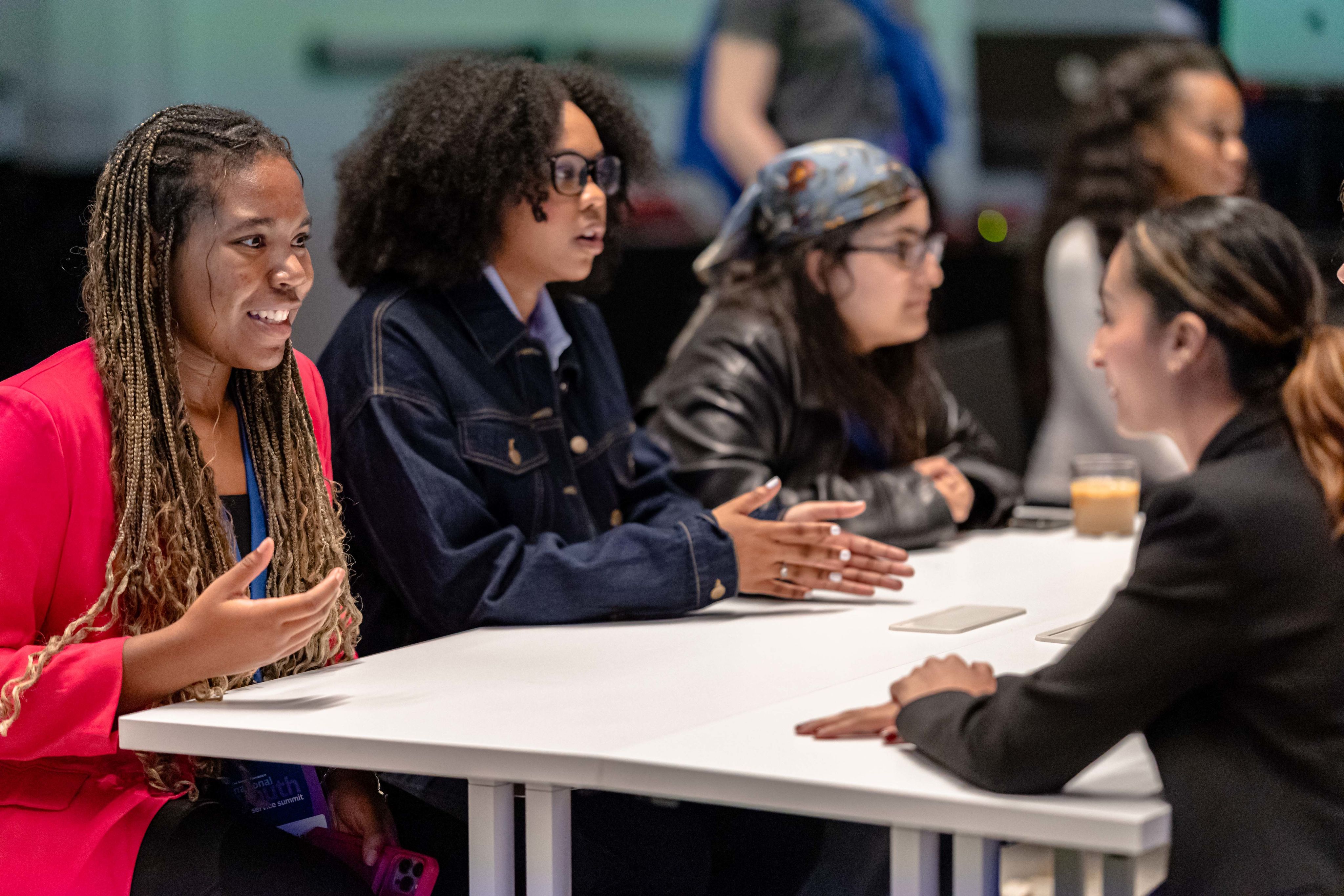
The Allstate Foundation National Youth Service Summit exemplifies how intentional design can transform power dynamics and create an increased sense of belonging for participants. While many youth conferences treat participants as “leaders of tomorrow,” the Foundation’s approach acknowledges young people as the leaders they already are. The Summit brings together 65 youth service leaders (ages 18–22) from across the country for a weekend of transformative connection, collaboration, and co-creation.
The Summit was created to give youth already involved in service a space among peers, where they could build genuine connections and share their experiences. Creating this type of space is critical for young service leaders, who often have difficulties finding like-minded youth in their home communities who share and understand their deep commitment to service. To make sure that youth can fully immerse themselves, the Foundation fully funds the cost of attending, including travel, lodging, and meals. Ultimately, it is important to the Foundation to make sure that these young service leaders know that their age is not a limitation, and they have the full trust of the Foundation as a partner in their work.
“We recognize that young people aren’t just the future — they’re serving communities right now,” said Alex Quian, head of youth empowerment for The Allstate Foundation. “With the Summit, we’ve created a welcoming space where emerging leaders get the resources and platforms to accelerate their leadership and collaborations with peers.”
This is evident in Summit components like the Design Sprint Challenge. Rather than relying only on adult experts to lecture, participants work in teams to develop and pitch real-world solutions to societal challenges. Although rooted in friendly competition — with presentations to judges and peers — youth participants take the challenge seriously and are excited to showcase their innovative thinking. Participants receive coaching and feedback throughout, reflecting the Foundation’s belief that young leaders grow through doing and listening.
The Design Sprint Challenge experience is designed to spark momentum and support innovation long after the event ends. To that end, The Allstate Foundation created a $75,000 micro-grant fund for Summit alumni to bring their project ideas to life. For Cole Ramsey, a high school senior and Summit alum, this meant tangible resources to create change. Inspired by the Summit and supported by the grant, Cole launched his county’s first-ever Youth Day of Service, mobilizing students to collaborate with local leaders on community service projects.
Cole’s story is just one example of the ripple effect the Summit sets in motion. Other alumni have launched nonprofits, expanded programs, or helped their college or university apply for The Allstate Foundation College Service Grants – another one of the Foundation’s resources designed to increase youth-led service. This is all a powerful testament to the lasting collaboration that the Summit has made possible. “I never imagined the support or community I would gain after participating,” says Tanya Keskar, an alumna of the inaugural Summit.


Sustaining the People Behind the Mission
For two decades, The Allstate Foundation has been the leading corporate funder in the domestic violence sector, investing to disrupt the cycle and reduce the prevalence of relationship abuse. For advocates in the space, the work is emotionally difficult, and the incidence of vicarious trauma is high and often compounded when so many have lived experience of surviving abuse themselves. The urgent nature of the work, paired with the limited resources in the sector, have traditionally made collaboration among organizations in the space an exception instead of the norm.
“Given the breadth and depth of The Allstate Foundation’s investment in the work to end relationship abuse, we had a unique opportunity and responsibility to gather these national partners. It was equally important to invest in the individuals leading this work — to support and sustain them so that the work can continue,” said Sharisse Kimbro, relationship abuse program officer for The Allstate Foundation.
The first-of-its-kind convening took place in 2024 and brought together leaders and staff from 12 national organizations — a comprehensive cross-section of the sector — in an environment specifically designed to promote self-care, foster authentic connections and build community.
Every element of the gathering design reflected this commitment. The agenda incorporated wellness throughout, with yoga, guided nature walks, and chair massages. Partners were not asked to pitch or perform, instead attendees were encouraged to share with and learn from one another. Guests had time to just be human, to reflect, and to imagine new ways forward together.
Many participants met face-to-face with longtime collaborators for the first time. Others found rare moments to step back from crisis response and engage in deeper strategic thinking with peers who understood their challenges.
“The gathering was priceless. As a leader of a national organization, I often am not afforded the time to connect in a meaningful way with fellow leaders doing this lifesaving work. This intentional space creates opportunities for increased collaboration, reduces redundancy in our collective efforts and builds community amongst partners,” said Katie Ray Jones, CEO of the National Domestic Violence Hotline.
The intentional design fostered connections that lasted far beyond the gathering. For example, UJIMA, Esperanza United, and the Asian Pacific Institute Against Gender-Based Violence began holding monthly collaboration calls and have held multiple joint technical assistance webinars that benefit the entire field. By creating conditions where advocates could connect as whole people, the Foundation helped catalyze collaborations that continue to strengthen the movement to end domestic violence.
Building Community in Real Time
While most professional development programs focus mostly on skill-building, The Allstate Foundation’s Nonprofit Leadership Center, in partnership with Northwestern University’s Kellogg School Center for Nonprofit Management, transforms executive education into a catalyst for sector-wide collaboration. Each year, the Executive Leadership Program guides 30 seasoned nonprofit leaders through cohort-based instruction, executive coaching, and peer-led learning, enabling them to build both technical skills and lasting professional relationships.
This emphasis on relationship-building extends beyond the initial program through “Community Conversations,” a series of alumni-only convenings. These gatherings create dedicated space for prior program participants to listen deeply to one another as they navigate emerging challenges, share innovations, and deepen connections across issue areas and geographies. By continuing to convene alumni, The Allstate Foundation nurtures an expanding network of leaders who trust and support one another’s work.
Over time, that infrastructure of trust-based support has quietly reshaped the professional lives of thousands of nonprofit leaders.
“Strengthening the nonprofit sector goes beyond the classroom,” Nack said. “When we gather nonprofit professionals in-person or even virtually, we are literally watching a community build in front of us that will yield lifelong impact.”
The power of this approach was on full display at the Executive Leadership Program’s 10-year anniversary, where more than 170 alumni returned to the Kellogg School Center for Nonprofit Management to reconnect and actively shape the future of their respective sectors.
“As nonprofit leaders, we’re often so busy doing the work that we’re challenged to find time to be the work,” said Danielle Nicholson, chief operating officer of A Call to Men and a 2024 alumnus of the leadership program. “The Allstate Foundation Executive Leadership Program gave me the time and resources to do both. I have learned so much about leadership, not just from those leading the sessions but from those seated right next to me.”
In the nonprofit sector, where executive burnout is high and turnover costly, convening builds long-term capacity from the inside out. When leaders support each other, share their experiences, and stay connected after the programs end, their organizations and the communities they serve benefit.

Toward an Infrastructure of Trust
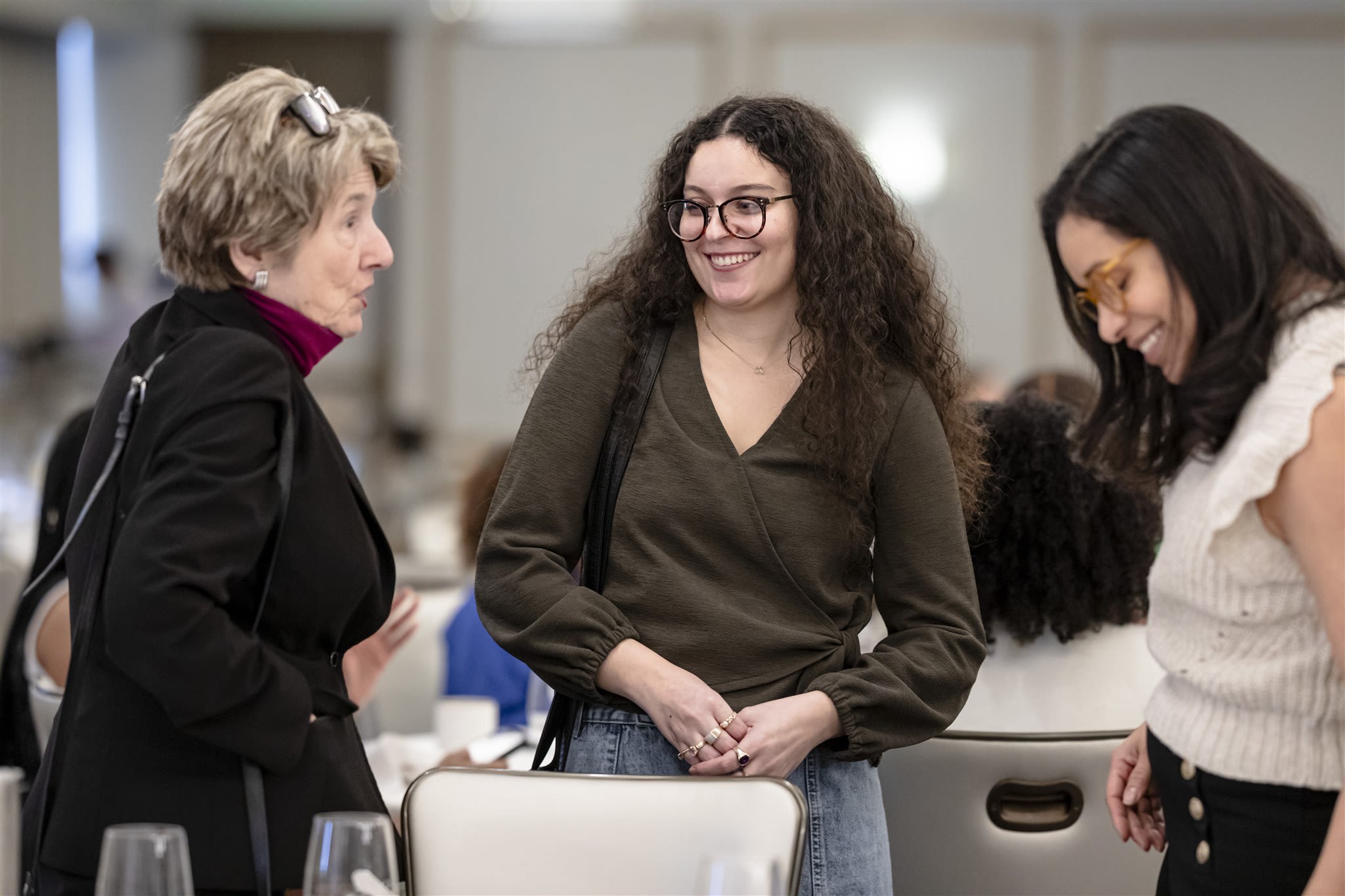
What unites The Allstate Foundation’s approach across its program areas is a simple premise: meaningful change happens through intentional convening. Whether supporting youth leaders, domestic violence advocates, or nonprofit executives, The Allstate Foundation creates spaces where people can think, connect, and solve problems together.
As the Foundation looks ahead, its commitment to convening will remain central to its work across all focus areas. Recognizing the dynamic needs of its partners and the communities they serve, the Foundation will continue to actively explore and develop innovative ways to bring stakeholders together for renewal, shared learning, mutual support, professional growth, and collective action.
This sustained dedication to connection, guided by continuous listening and adaptation, will ensure an enduring infrastructure that empowers individuals and amplifies social impact far into the future. In a sector still navigating with how to shift power and sustain impact, The Allstate Foundation’s model suggests a way forward that’s both modest and radical: Put people in a room, create the conditions for collaboration, and trust what happens next.
To learn more about The Allstate Foundation, visit AllstateFoundation.org.

This content was paid for and created by The Allstate Foundation. The editorial staff at The Chronicle had no role in its preparation. Find out more about paid content.
 Built with Shorthand