


Grantmaking by Design
How Catalyst Maximizes Impact through Outsized Support

For more than three decades, CTIA Wireless Foundation has embodied the idea of wireless for good. It has been at the forefront of wireless-enabled innovation from the first AMBER ALERT and text-to-donate campaigns. Seven years ago, the Foundation launched a grant-making program that embraces the entrepreneurial spirit of the wireless industry.
The premise of the Catalyst program is a simple one. Offer innovators unrestricted grants with minimal process, and pair that with significant exposure and strong storytelling opportunities to achieve the greatest impact and positively affect the most lives. The simplicity of the Catalyst program has been its biggest strength.
How the Catalyst Program Redefines Early-Stage Grantmaking
Securing funding can be especially complicated for early-stage founders and innovators. Instead of helping these projects get off the ground, many grants come with lengthy applications, restrictive funding terms, and complex reporting requirements that slow the work down. CTIA Wireless Foundation built the Catalyst program to make early-stage funding easier and more responsive, giving founders the trust to focus on their ideas instead of paperwork.
1. Purpose-Built for Early-Stage Founders With Lived Experience
Early-stage innovators often get drowned out in grant cycles designed for large nonprofits, especially when eligibility is broad and generic. They use up time and resources to apply for grants that are not catered to them.
Catalyst focuses on founders with early-stage startups so that a modest infusion of capital will have an impact on their mission’s trajectory. It also prioritizes founders with lived experience of the issues they’re tackling. Dori Kreiger, executive director of the Foundation, explains: “These founders have seen the issue first-hand, they have seen it from a lot of different angles, and understand nuances that most wouldn’t.”
The grant focuses on innovators like Kenzie Butera Davis, who founded Maro after a teenage family member attempted suicide. Maro, a 2024 Catalyst winner, is a mobile app that facilitates early intervention and risk detection of mental health issues in students between the ages of seven and 18.
Another reason why Maro was awarded the grant in 2024 is that it exemplifies Catalyst’s focus on mobile-first solutions. Founders like Butera Davis identify innovative uses for mobile technology that wouldn’t be possible using any other platform. For Maro, it's the fastest way to put life-saving interventions right into the hands of young people and their families. It’s private, it’s portable, and it gives you immediate reach.

2. Streamlined Applications and Reporting That Respect Founders’ Time
With early-stage innovators in mind, the Foundation deliberately removed unnecessary bureaucracy from the grantmaking process. “We know that a lot of our grantees are probably small shops,” explains Kreiger. “Maybe there's one person, maybe there's two or three. Their time is incredibly valuable, and they are always trying to raise social capital to achieve their mission. We did not want to be a burden in that.”
Catalyst applications were designed to be short and easy to complete while still collecting the necessary information. The same goes for the reporting process. Grantees simply provide the Foundation with a short and succinct overview of their activities and results.
3. Unrestricted Funding That Empowers Innovation and Growth
Restricted funding can often be more of a hurdle than a help when you’re just starting out. Often, grants come with rigid conditions, like being tied to specific expenses or project costs. This limits how quickly a founder can pivot or respond to real-world challenges.
The Catalyst program chose to offer unrestricted funding. As Kreiger put it, “We knew that the founders themselves knew how to best allocate the capital that we were granting.” The Foundation trusts the grantees to use the funds where they’re most needed. This, in turn, empowers founders to adapt, innovate, and ultimately create greater impact.
Continuous Learning and Adaptation Drive Catalyst’s Success
Over the past six years, the Catalyst program has awarded unrestricted funds to 33 innovative social entrepreneurs and has impacted over 30 million lives in the process. Many of these alumni have reported further growth and success following the program. Some have joined renowned accelerator programs, and OxiWear, a 2022 Catalyst winner, even received FDA approval for their device.
A big part of the program’s success is the Foundation’s openness. “We have always been committed to learning and adapting as the program develops. We are responsive to social entrepreneurs and want to tailor Catalyst to continue to help them grow and prosper.”
The Foundation holds webinars with applicants and constantly adapts their FAQ page based on the feedback received. The language of the application is also tweaked, and the approach to the grantmaking process is carried out in a way that resonates the most with the audience.
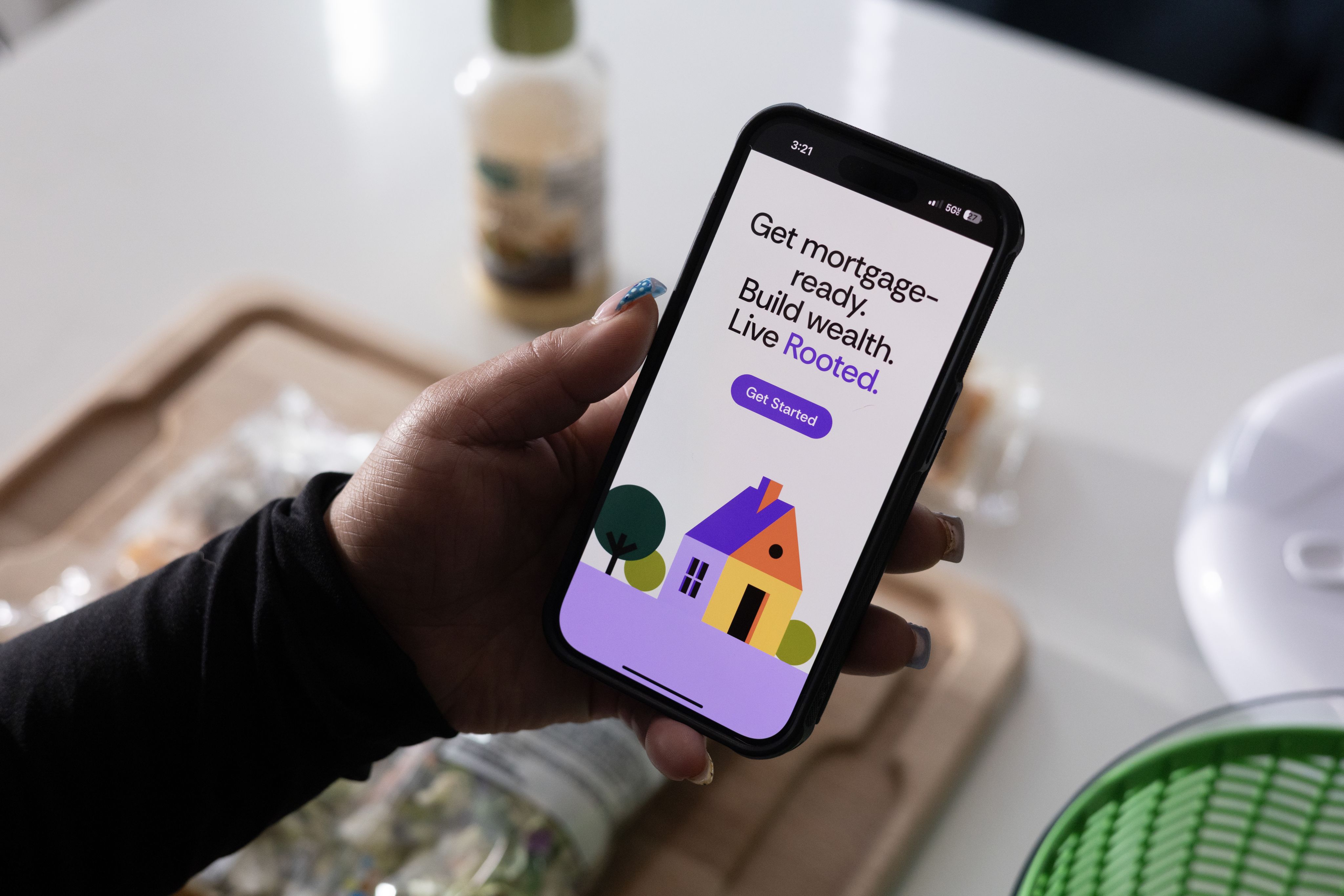
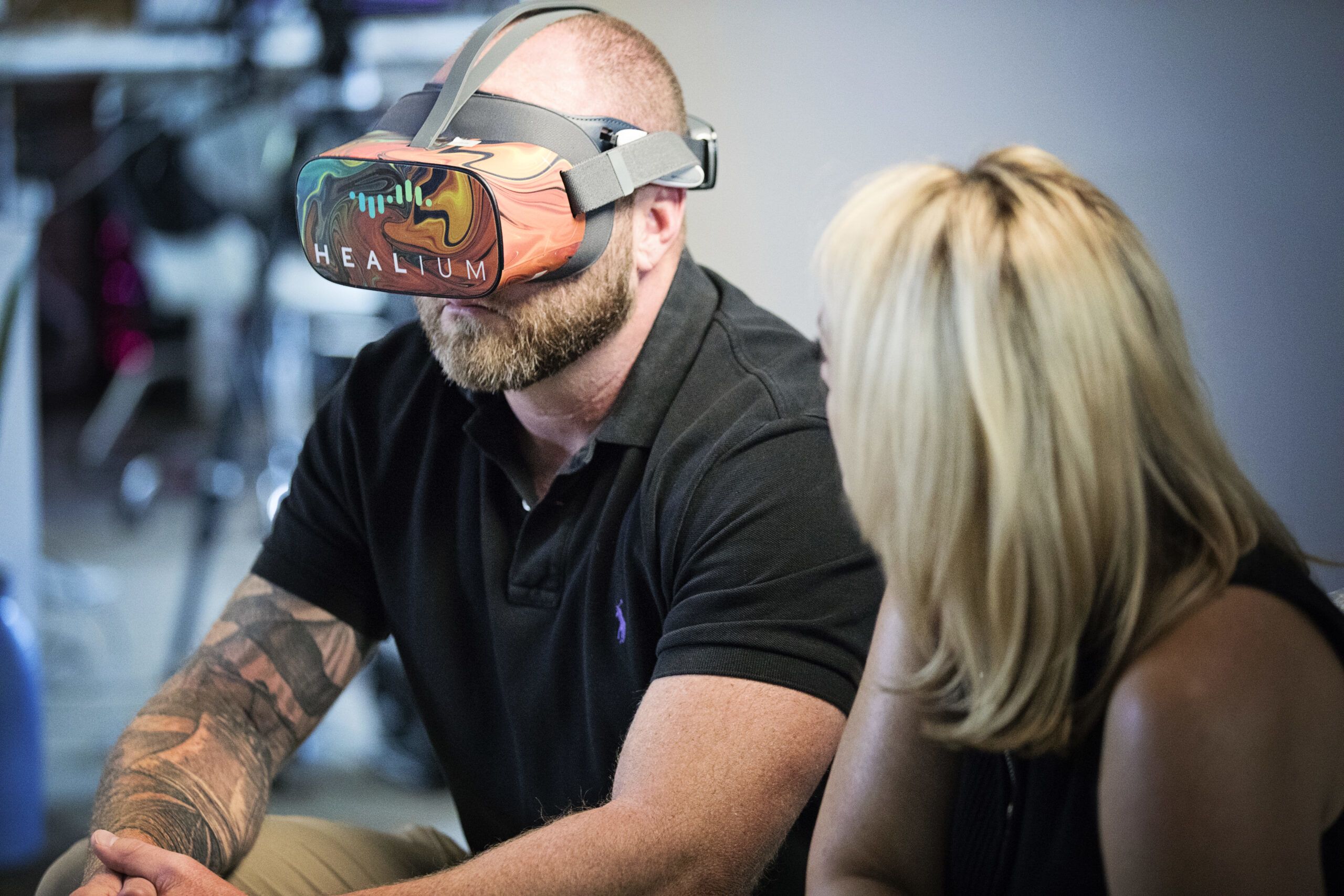
As a result, they’ve seen a significant increase in applications every year (an over 600% increase in the first six years), and the issues being presented are more diverse. They have received over 800 applications from 46 states, presenting innovative solutions like using virtual reality for stress management to a mobile mortgage readiness platform.


Storytelling is the Catalyst Program’s Superpower
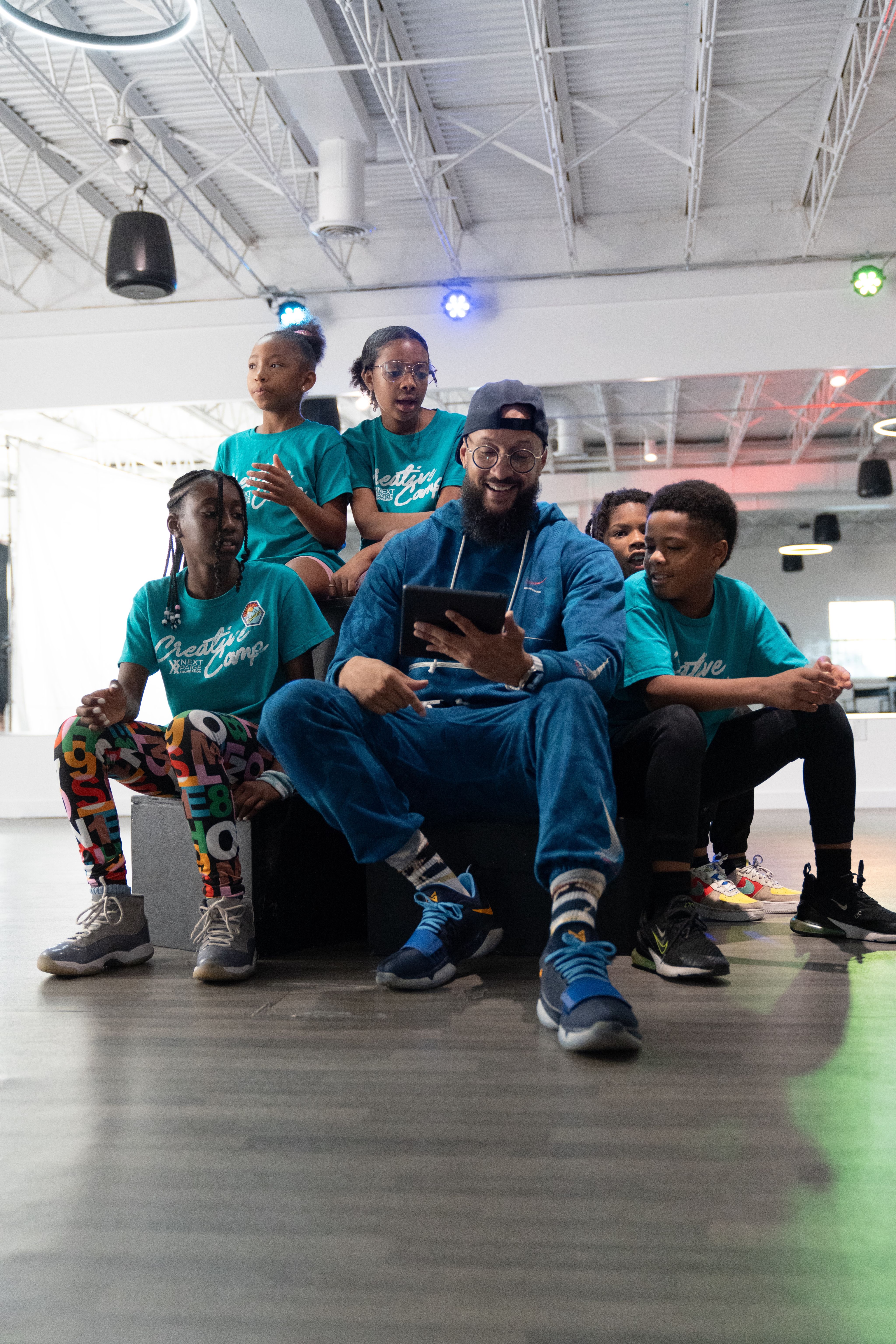
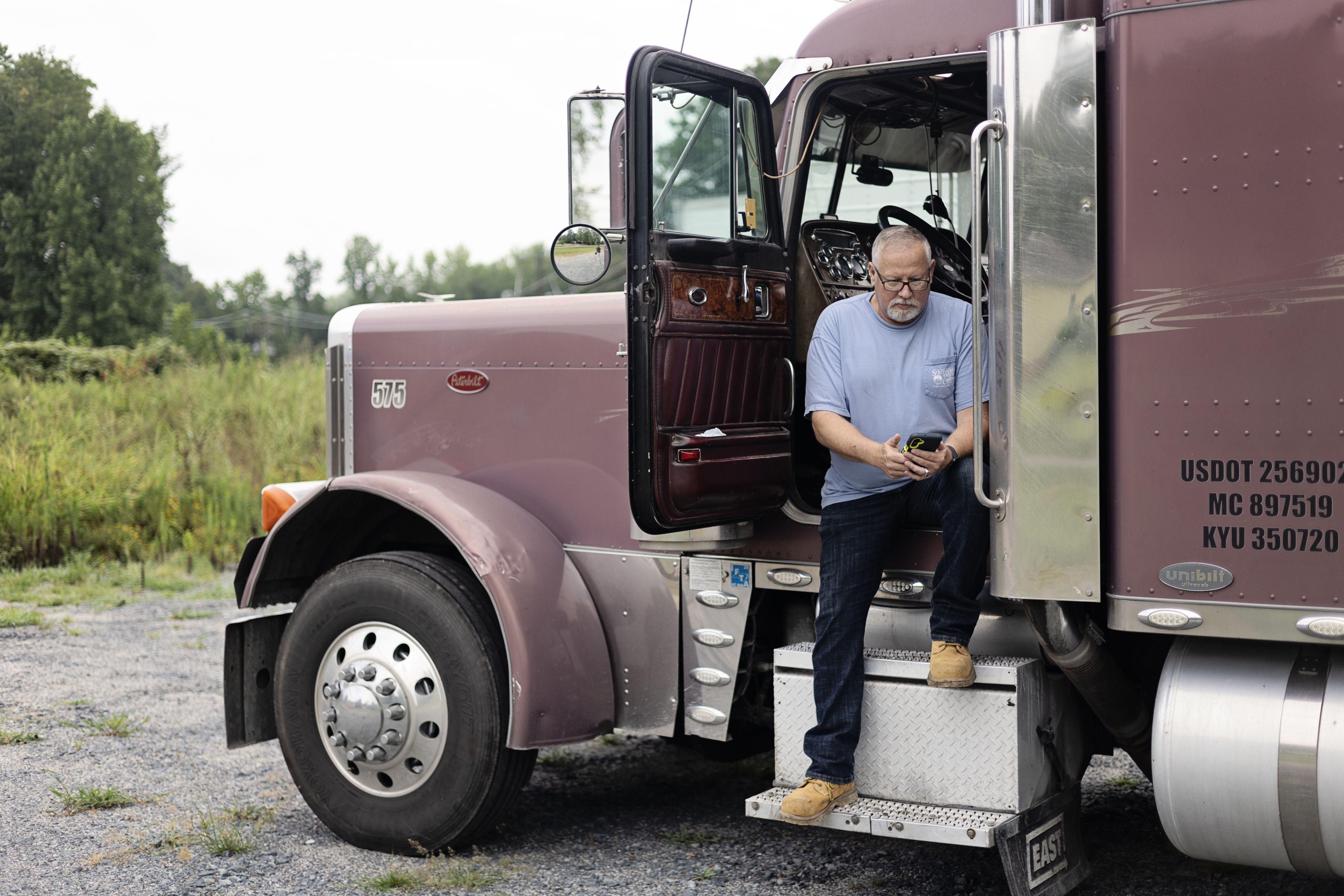
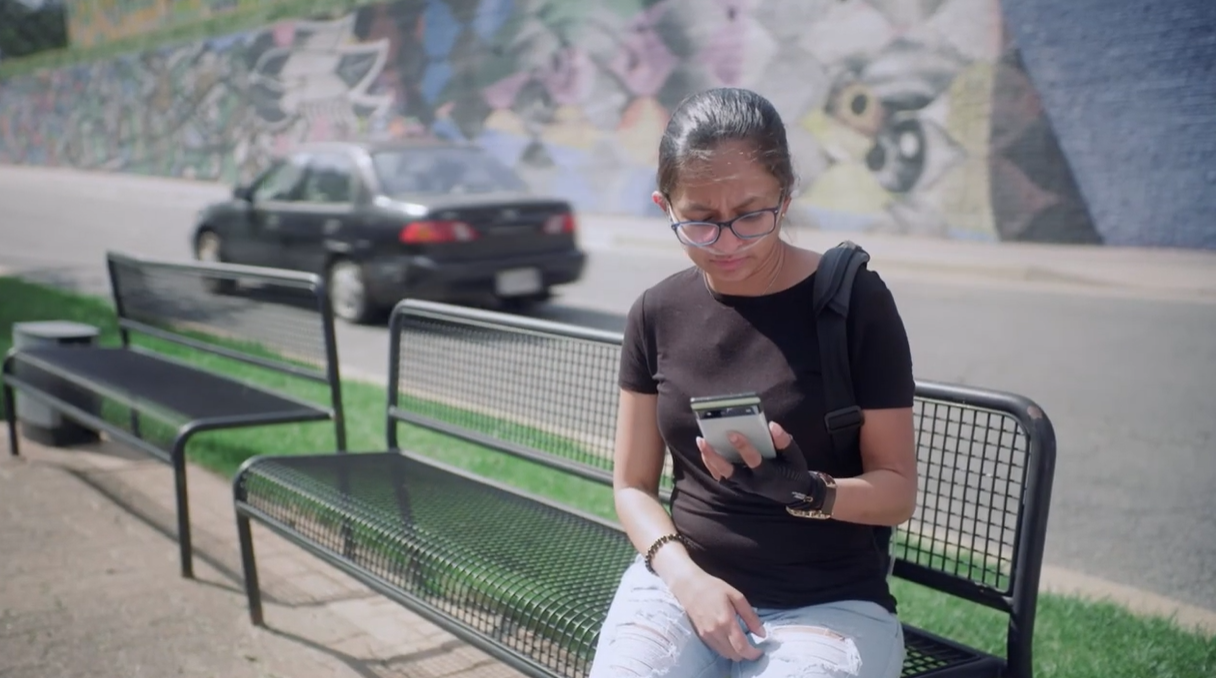
Perhaps one of the most visible and potent features of the program is the videos and case studies produced for their Alumni network. “Our storytelling, especially through our videos, is incredibly helpful because you can feel the passion of the founder and you can see the wireless technology being used in action,” Kreiger says. “You also see users engaging with that solution and talking about the importance it's had in their lives.”
Storytelling is central to Catalyst’s strategy because, as Kreiger notes, “there is power in showing wireless technology in action and how mobile-first innovations are being used for good.” The team produces professional, on-site shoots that founders then use as a practical asset: for pitches, funder meetings, and partnership outreach.
Kreiger said that one of her philanthropy colleagues called Catalyst’s storytelling its “superpower” because it spotlights wireless solutions in action and equips grantees with a tool to explain their impact to new audiences.
For Funders: The Takeaway
Ultimately, the success of the Catalyst program underscores a simple idea: the right combination of flexible, founder-focused grant making can unlock remarkable innovation. CTIA Wireless Foundation remains committed to lifting up social entrepreneurs who use wireless to transform communities. As Kreiger says, it’s about shining a spotlight on these innovators and sharing the power of wireless for good

This content was paid for and created by CTIA Wireless Foundation. The editorial staff of The Chronicle had no role in its preparation. Find out more about paid content.
 Built with Shorthand